Antarctica Penguins: A Complete Guide to Species, Habitats & Observation
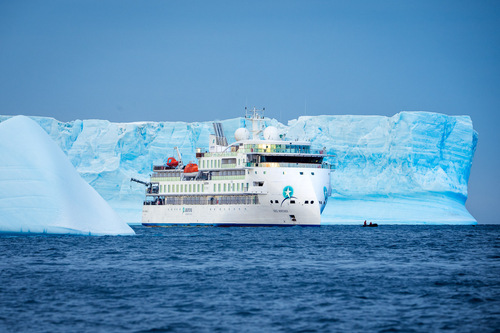
After 35 years of small-ship voyages to the White Continent, we can say this with confidence: nothing prepares you for your first Antarctic penguin colony. The sound reaches the Zodiac before the smell does, and the smell arrives before you've even seen the rookery over the next rise of rock. Antarctica penguins are the reason many of our guests book their first expedition — and the reason most of them come back.
In this guide, we draw on decades of our expedition leaders' field notes and our own citizen science observations to help you understand exactly what you're looking at once you step ashore: which species you'll meet, where each one breeds, and when to travel if a particular encounter — courting Adelies, a full Gentoo creche, or an Emperor chick's first swim — is top of your list.
How Many Penguin Species Live in Antarctica?
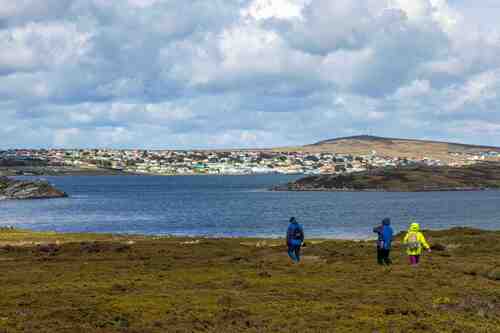
It's the question nearly every first-time traveller asks, and the honest answer has two layers. Only two species — the Emperor and the Adelie — breed exclusively on the Antarctic continent itself, hardy enough to hold territory through the true polar winter or the shoulder seasons either side of it. A further five to six species breed on the sub-Antarctic islands that ring the continent — South Georgia, the Falklands~Malvinas, and other stepping stones on the way south — and are just as much a part of an Antarctic voyage as the continental birds.
Between the two groups, most of our itineraries give guests a realistic chance of encountering five to seven species across a single voyage, depending on route and season.
Antarctic Penguin Species
Emperor Penguin
The largest penguin on Earth, standing 1.1 – 1.3 metres tall, and the only species that breeds through the depths of the Antarctic winter, incubating a single egg on sea ice with no nest at all. Emperors are extraordinary divers — down past 500 metres, holding their breath for over 20 minutes in pursuit of squid and fish
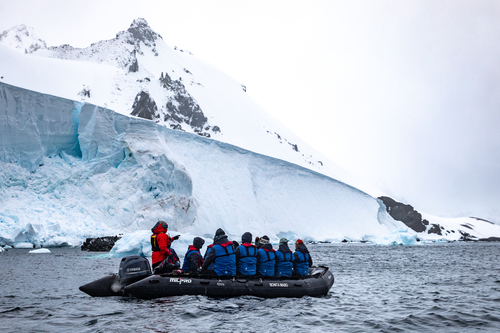
Where to see them: Emperor colonies are remote and sea-ice dependent, which is exactly why they suit a small-ship approach. Voyages into the Weddell Sea and Ross Sea regions offer the best (though never guaranteed) chances, with expert-led Zodiac cruising keeping guests at a respectful distance from breeding colonies under IAATO guidelines.

Adelie Penguin
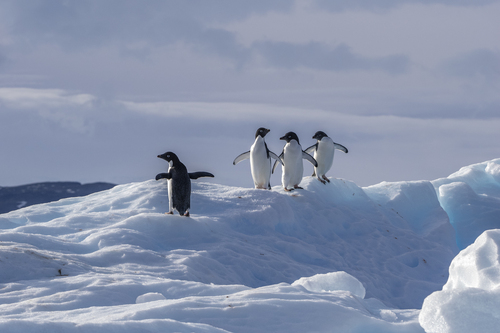
Small, quick, and instantly recognisable by the white ring around each eye, Adelies are the classic "tuxedoed" penguin of Antarctic imagery. They're also notorious pebble thieves, forever raiding a neighbour's nest to reinforce their own — a small daily drama that never gets old to watch from a Zodiac.
Where to see them: Widespread along the Antarctic Peninsula and further south toward the Ross Sea. Landings near dense Adélie rookeries are a highlight of many Antarctic Peninsula voyages.
Gentoo Penguin
Identifiable by a bright orange-red bill and a white stripe across the crown, Gentoos are the fastest swimmers of any penguin species, reaching 36 km/h underwater. They favour ice-free coastal ground, which makes their colonies some of the most accessible — and most photogenic — on the continent.
Where to see them: Gentoo colonies are a near-constant presence along the Antarctic Peninsula, often just a short Zodiac cruise from anchorage.
Chinstrap Penguin
Named for the thin black line running beneath the chin, Chinstraps favour steep, rocky terrain that would deter most other birds — and most people. Watching a Chinstrap scramble up a scree slope is a reminder of just how capable these animals are on land as well as in the water.
Where to see them: Rocky islands and headlands throughout the Antarctic Peninsula and South Shetland Islands, often reached via our expert-led shore landings.
King Penguin
Second in size only to the Emperor, King penguins breed in some of the largest, densest colonies of any bird on the planet — a single beach at South Georgia can hold tens of thousands of breeding pairs. Their burnt-orange neck patches and upright bearing make them one of the most striking sights of any sub-Antarctic landing.
Where to see them: South Georgia is the standout destination, and voyages that include this island consistently rank among our guests' most memorable.
Macaroni Penguin
Bold yellow crests sweep back from the brow of this species, one of the most numerous penguins on Earth despite being far less familiar to most travellers than its Peninsula cousins. Macaronis breed on steep, exposed sub-Antarctic slopes in colonies that can number in the hundreds of thousands.
Where to see them: South Georgia and other sub-Antarctic islands, typically as part of voyages combining South Georgia with the Falklands~Malvinas and Antarctic Peninsula.
Rockhopper Penguin
True to their name, Rockhoppers navigate boulder fields and cliffs with a distinctive two-footed hop rather than the usual penguin waddle. Bright red eyes and spiky yellow brow feathers give them one of the most memorable silhouettes of any Southern Ocean seabird.
Where to see them: Commonly encountered on voyages through the Falkland~Malvinas Islands, often on the same landing as nesting albatross.
Behaviour & Ecology: Built for Ice and Ocean
Every Antarctic penguin species shares a set of extraordinary adaptations. Dense, waterproof feather layers and a thick fat reserve insulate against water temperatures that would be fatal to most birds within minutes, while a streamlined body shape — effectively "flying" underwater on stiffened flipper-wings — lets them outmanoeuvre most predators below the surface. Diet across the species is built almost entirely around krill, fish, and squid, the engine room of the entire Southern Ocean food web.
One trait surprises almost every first-time visitor: Antarctic penguins show little fear of humans. Because the continent never developed land predators, penguins evolved without an instinct to flee from anything approaching on foot. It's a privilege that comes with responsibility — as an IAATO member, we maintain recommended observation distances from all wildlife, and our expedition team briefs every guest before landings to make sure encounters stay respectful and low-impact for the animals. Read more on our IAATO guidelines.
When to Go: Timing Your Visit Around the Breeding Cycle
Penguin behaviour shifts dramatically across the Antarctic season, and timing your voyage around it can shape the whole experience:
- Late October–November: Courtship and nest-building begin as colonies re-establish after winter.
- December–January: Eggs hatch and chicks emerge— peak season for activity and noise across most colonies.
- February–March: Chicks fledge and take to the water for the first time, a chaotic and rewarding stage to witness.
Our small-ship model and flexible Zodiac operations mean the expedition team can adapt daily plans to make the most of whichever stage of the breeding cycle you're travelling through.

Conservation & Threats
Antarctic penguins are resilient, but not invulnerable. Climate change is altering sea ice patterns across the continent, with knock-on effects for breeding success — Emperor penguins, which depend on stable sea ice to raise chicks, are particularly exposed as ice forms later and breaks up earlier each season. Commercial krill fishing in the Southern Ocean adds further pressure on the food source nearly every Antarctic species relies on, an issue organisations like the Antarctic and Southern Ocean Coalition (ASOC) continue to campaign on.
As a certified B Corp, we treat this as more than a talking point. Every voyage south operates under strict environmental protocols, and many guests take part directly in our Citizen Science Program, counting and photographing colonies to contribute real data to long-term Antarctic research. It's one of the most tangible ways travellers can support the species they've come so far to see.
Ready to Meet Them in Person?
Seven species, thousands of kilometres of coastline, and a season that changes week to week — the best way to understand Antarctica's penguins is still to stand among them. Our small ships and expert-led Zodiac excursions get guests close to colonies while keeping impact low, guided by 35 years of experience reading this continent's wildlife and weather.
Antarctic Penguin FAQs
Do penguins live in Antarctica?
Yes. Several penguin species breed on the Antarctic continent and in nearby sub‑Antarctic regions.
Are penguins found in the Arctic or Antarctic?
Penguins are found in the Southern Hemisphere, including Antarctica, but not in the Arctic.
What kind of penguins live in Antarctica?
Emperor, Adélie, Chinstrap and Gentoo penguins breed on the Antarctic continent, while King, Macaroni and Rockhopper penguins breed on nearby sub‑Antarctic islands.
Which penguin species is the biggest?
The Emperor penguin, standing 1.1 to 1.3 metres tall and diving deeper than any other penguin species — sometimes past 500 metres in search of squid and fish.
When is the best time to see penguins in Antarctica?
It comes down to what you want to witness. November is courtship and nest-building, December to January brings chicks and peak colony activity, and February to March is fledging season, when young penguins take to the water for the first time. There's no single "best" month — just different chapters of the same story.