
The Northern Lights 2026 prediction is shaping up to be one of the most exciting in more than a decade.
Based on current solar cycle forecasts, 2026 is widely expected to be one of the strongest years for Northern Lights activity in more than a decade, as Solar Cycle 25 approaches its peak. NASA and NOAA have confirmed that the Sun has entered a period of heightened activity, when solar flares and geomagnetic storms occur more frequently, creating stronger and more vivid aurora displays.
For travellers dreaming of mesmerising and otherworldly spectacles of colour dancing across polar skies, this is the moment to start planning your next Northern Lights adventure. From when to go and where to travel, to understanding how the Northern Lights, this guide brings together insight and practical advice to help you experience the aurora borealis in 2026 at its best.
While aurora sightings can never be guaranteed, 2026 offers outstanding conditions and with the right planning and patience, the rewards can be truly extraordinary!
Understanding the Northern Lights
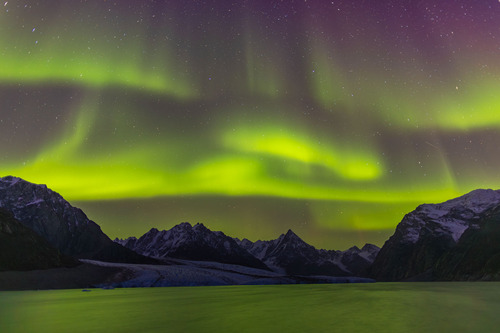
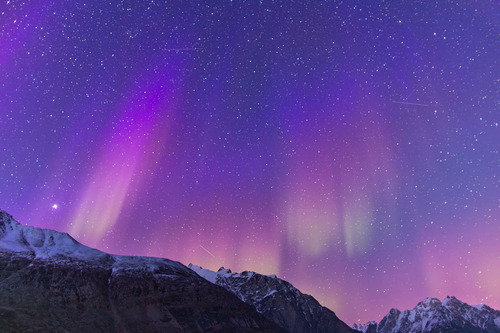
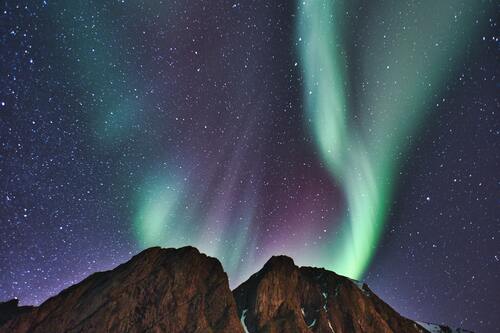
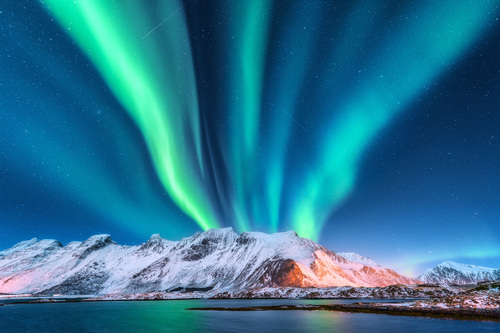
The Aurora Borealis (Northern Lights), is one of nature’s most captivating spectacles, occurring when charged particles from the sun, mainly electrons and protons, interact with Earth's magnetic field and atmosphere. This interaction produces vibrant hues of green, pink, purple and blue that dance across the night’s sky most commonly near the Earth's polar regions.


Solar Activity, Sunspot Cycles & Geometric Storms
Auroral activity is shaped primarily by solar activity. The Sun follows a roughly 11 year solar cycle, alternating between periods of solar minimum and solar maximum. During the solar maximum phase, the number of sunspots increases. These regions can produce solar flares and coronal mass ejections, sending charged particles streaming toward Earth.
When these charged particles reach our planet, they interact with Earth’s magnetic field and atmosphere, triggering geomagnetic storms. These storms supercharge auroral activity, making the Northern Lights brighter, more frequent, and visible farther from the polar regions than usual.
Why 2026 is Peak Year for Northern Lights Viewing
As the Sun moves closer to the peak of its current solar cycle, Solar Cycle 25, the Northern Lights in 2026 are expected to be especially impressive. Increased solar activity during this time makes it one of the most favourable years for aurora viewing, particularly in the deep Arctic, where darkness and clear skies prevail.
Solar Cycle 25 explained (without the jargon)
- Solar Cycle 25 began in late 2019
- Activity has been steadily increasing ever since
- Solar maximum is expected to occur around 2025-2026
During solar maximum:
- Auroras become brighter and more frequent
- Displays are often visible further south than usual
- Multiple auroral events may occur in a single night
Best Time to See the Northern Lights in 2026: Month by Month Guide
Northern Lights season runs from September through to April, when nights are long enough to allow aurora visibility. For travellers hoping to experience the aurora at its best, timing is key.
September & October: Autumn Auroras
- Increasing darkness after Arctic summer
- Milder temperatures than deep winter
- Higher chance of aurora during strong solar storms
- Autumn-coloured landscapes
November & December: Long Nights Return
- Rapidly lengthening nights
- Fewer daylight hours mean more time for aurora spotting
- Snow begins to transform the landscape
January & February: Peak Winter Drama
- Deep winter brings crisp air and long nights
- Cold, clear conditions improve visibility
- Aurora activity remains high during solar maximum
March & April: Prime Equinox Viewing
- Statistically one of the strongest periods for auroras
- Solar activity often spikes around the March equinox
- Slightly warmer temperatures return

What is the Best Month to go on an Arctic Expedition to see the Northern Lights?
September marks the beginning of the Northern Lights season and is typically one of the final windows when Arctic expedition cruises can operate before winter. As temperatures drop and sea ice begins to form later in the season, continued voyages become increasingly restricted. For expedition cruising, September offers the best balance of navigable waters, safe sailing conditions, dark enough night skies and comfortable conditions for landings
Explore our Northern Lights expeditions and discover how small‑ship Arctic travel can enhance aurora viewing opportunities.
Best Destinations to Witness the Northern Lights
While the aurora borealis is typically visible near the Earth's polar regions, during periods of heightened solar activity, it may be visible at lower latitudes. However, to maximise your chances, choose a destination or destinations within the Arctic Circle, and opt for locations with minimal light pollution and clear, dark skies. Among the top destinations for viewing the aurora borealis are Greenland, Iceland, Svalbard and Norway.
Greenland
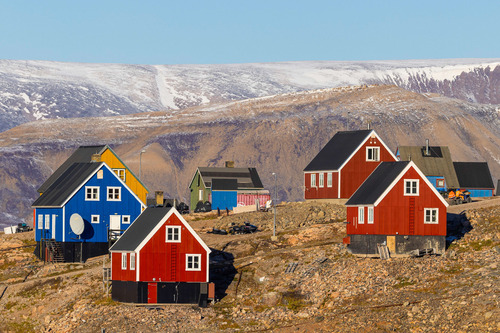
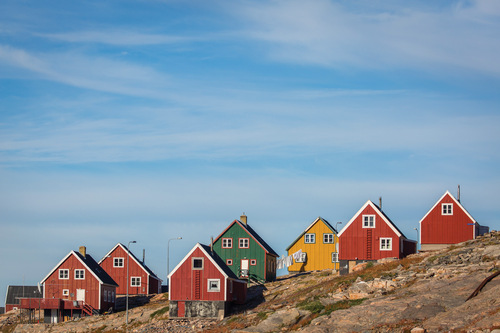
With its vast open landscapes and minimal light pollution, Greenland provides an exceptional backdrop for observing the Northern Lights. Once in Greenland, auroras can often be seen virtually anywhere once you step beyond built-up areas. The towns of Ilulissat and Kangerlussuaq are particularly popular for aurora viewing due to their location within the Arctic Circle. Travellers may enhance their experience with activities such as dog sledding or overnight stays in igloos or join an expedition to experience the country’s immense wilderness, fascinating culture and rich history beneath some of the darkest skies on Earth.
Iceland
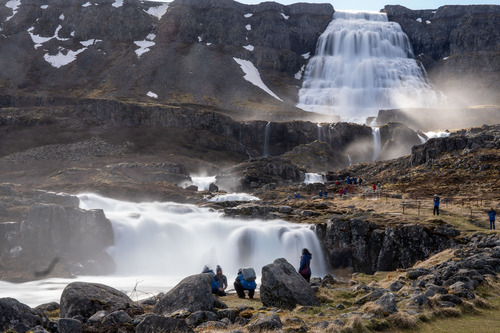
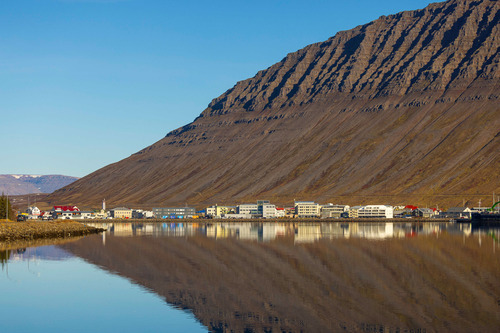
Iceland is a favourite destination for travellers hoping to see the Northern Lights, offering a compelling blend of natural wonders, from volcanoes and glaciers to geysers and waterfalls, alongside enriching cultural experiences. Regions such as the Westfjords and North Iceland provide longer periods of darkness and clearer night skies, making them prime aurora viewing areas. While accessible sites like Thingvellir National Park near Reykjavík can offer sightings, travelling by small expedition ship enables access to quieter coastal regions and fjords, where reduced light pollution and flexible routing significantly improve viewing conditions compared to land based travel.
Svalbard
One of the northernmost inhabited areas in the world, this Norwegian archipelago offers a unique Arctic experience, with dramatic fjords, untamed peaks and iconic Arctic wildlife, from elusive polar bears to the fluffy Arctic fox. Due to its extreme latitude and prolonged periods of darkness, Svalbard is one of the world’s most powerful aurora regions. Expedition cruising allows visitors to move beyond the lights of the hub of Longyearbyen and experience the Northern Lights in near total Arctic darkness, surrounded by vast polar landscapes.
Norway
Norway boasts numerous locations for witnessing the Northern Lights, including Tromsø, Kirkenes, Alta, Bodø, the North Cape and the Lofoten Islands. Tromsø, often referred to as the ‘Gateway to the Arctic’ is a popular destination known for its vibrant city life and accessibility to the Arctic wilderness. As a general rule, the further north you travel, the better your chances of seeing the aurora — and the longer the viewing window. Exploring Norway’s northern coastline by small ship offers access to secluded fjords and island communities, where darker skies and sheltered locations enhance aurora viewing opportunities.
Tips for Viewing the Northern Lights in 2026
Monitor Solar and Space Weather: Aurora forecasts rely on real time solar data, helping travellers understand when conditions may be most favourable. Popular aurora forecasting tools include apps and websites such as My Aurora Forecast, SpaceWeatherLive, and NOAA’s Space Weather Prediction Center, which provide real time updates on solar activity, geomagnetic storms, and aurora visibility.
Prioritise Darkness and Clear Skies: Avoid urban centres by choosing remote locations or expedition-based travel, embrace late nights and shifting schedules and watch cloud cover more closely than temperature.
Dress and Prepare Properly: Layering is essential, insulated outerwear and wind protection matter. Camera users should bring tripods and spare batteries. Even casual observers can benefit from a little preparation.
Why Northern Light Predictions Aren’t Guarantees
Even with favourable northern lights predictions for 2026, aurora sightings are never certain. Solar activity ebbs and flows, weather can change in an instant, and nature ultimately decides. That unpredictability is part of what makes it so magical.
Maximise your chances of seeing the Northern Lights in 2026
With solar activity building and darkness returning to the Arctic, 2026 presents a rare opportunity to witness the Northern Lights at their most powerful.
Travelling by small ship allows access to remote regions far from light pollution, where long, dark nights, stillness and open skies create ideal conditions for aurora viewing. It’s here, away from the crowds, that the Northern Lights reveal their full brilliance.
Onboard, a blend of expert insight and immersive exploration invites you to slow down, look up and embrace the unexpected, experiencing the Arctic in a way that is both enriching and deeply memorable.
Discover our Northern Lights voyages, explore remote Arctic destinations, and start planning for a year when the skies truly dance with colour.
Northern Lights FAQs
Will the Northern Lights be visible in 2026?
There are no guarantees, but 2026 is expected to be one of the most active aurora years in over a decade due to Solar Cycle 25.
What time of night are the Northern Lights most active?
Auroras most commonly appear between 10pm and 2am, though strong solar activity can trigger displays earlier in the evening or later into the night.
Do I need special equipment to see or photograph the Northern Lights?
No special equipment is needed to enjoy the aurora with the naked eye. For photography, a camera capable of low‑light shooting, a tripod and spare batteries (cold drains power faster) are recommended.
Can Northern Lights be seen outside the Arctic in 2026?
During strong solar storms, auroras may be visible much further south than usual, but, Arctic regions remain the most reliable.


